
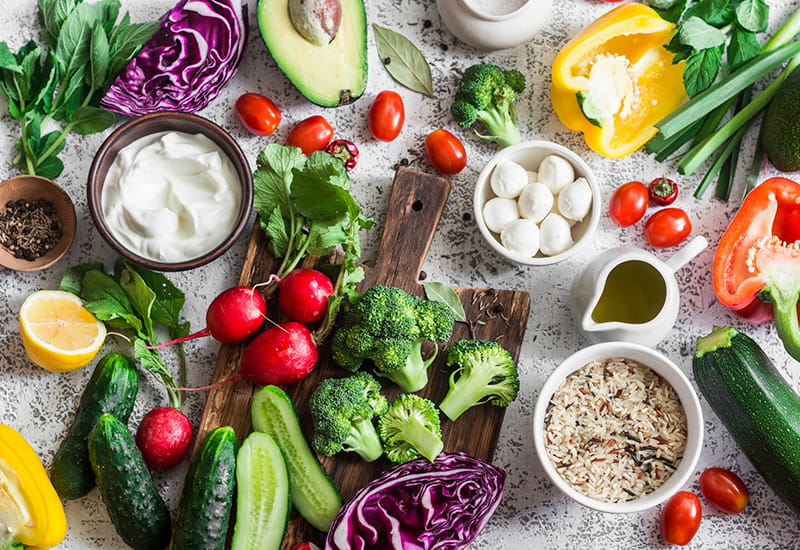
Top Foods for Weight Loss
Getting to a healthy weight is a journey, and what you eat matters a lot. Choosing nutrient-rich foods for weight loss can boost your health and help control your weight. While losing weight isn’t a quick fix for health, it can make you feel better. These 16 foods, including lean proteins, low-carbs, and fiber, can aid in your weight loss journey.

Key Takeaways
- Eating nutrient-rich, best food for weight loss can support overall health and weight management.
- Lean protein, fiber-rich foods, and metabolism-boosting ingredients are key for sustainable weight loss.
- Portion control, calorie-deficit recipes, and healthy meal planning are important for weight loss diet.
- Nutrient-dense foods like leafy greens, lean meats, and legumes can support healthy weight loss.
- Incorporating low-carb meals and high-protein diet options can help achieve calorie-conscious eating.
Nutrient-Rich Proteins for Weight Management
Adding high-protein, nutrient-dense foods to your diet can change the game for weight management. These protein-packed foods give you the amino acids you need for health. They also keep you full and satisfied, reducing cravings and helping you stay in a healthy calorie range.
Eggs: Packed with Filling Protein
Eggs are a top-notch source of high-quality protein and healthy fats. They can help with weight loss. Studies show that eating eggs for breakfast makes you feel full for hours, unlike low-fiber cereal.
This is because eggs help control hunger and appetite hormones. They are a weight loss-friendly protein.
“In a 2020 study involving 50 people with overweight or obesity, participants experienced increased feelings of fullness for the next 4 hours by consuming eggs and buttered toast for breakfast instead of cereal, milk, and orange juice.”
Another study with 48 adults found that those who had eggs and high-fiber foods for breakfast felt more satisfied. They compared this to those who ate low-fiber cereal and milk. Eggs are a great, easy lean protein source for a high-protein diet aimed at weight management.
Leafy Greens: Fiber-Filled and Hydrating
Leafy greens are a top choice for weight loss. They are full of fiber, nutrients, and water. This makes you feel full and gives you many health benefits. Kale, spinach, collard greens, and romaine lettuce are all packed with nutrients.
Leafy greens are rich in fiber. For example, asparagus has 3.6 grams of fiber per cup and only 40 calories. This helps with weight loss by keeping you feeling full. Eating Brussels sprouts daily can lead to about 0.68 pounds of weight loss over four years. Spinach can help with around 0.52 pounds of weight loss per daily serving over four years.
Leafy greens offer more than just fiber. They are also hydrating and contain thylakoid compounds. These compounds may help you feel full and manage your appetite better. Leafy greens are also full of vitamins, minerals, and antioxidants. These support your health and help with plant-based weight loss.
| Vegetable | Fiber (per cup) | Calories (per cup) |
|---|---|---|
| Kale | 3.6 g | 7 cal |
| Spinach | 4.3 g | 41 cal |
| Collard Greens | 7.6 g | 49 cal |
| Romaine Lettuce | 3 g | 8 cal |
Eating a variety of fiber-rich foods like leafy greens helps with weight management. They make you feel full, keep you hydrated, and provide essential nutrients. This supports your weight loss goals.

Lean Protein Sources for Healthy Weight Loss
Choosing the right protein is key for weight loss. Lean proteins are great because they offer quality without extra fats. They help you feel full, keep muscles strong, and boost your metabolism for lasting weight loss.
Fish: High-Quality Protein and Healthy Fats
Fish is a top choice for lean protein, packed with healthy fats like omega-3s. For example, a 3.5-ounce salmon fillet has 39.3 grams of protein. Halibut, cod, and tuna are also good, offering protein and nutrients like iodine.
Other proteins that help with weight loss include:
- Skinless chicken breast (22.5 g protein per 100 g)
- Extra-lean beef (23.5 g protein per 100 g)
- Turkey breast (25.6 g protein per 100 g)
- Eggs (6.3 g protein per large egg)
- Greek yogurt (19.9 g protein per 200 g)
- Cottage cheese (12.5 g protein per 113 g)
- Legumes, such as lentils (17.9 g protein per 1 cup cooked)
Eating these lean proteins can help you reach your weight loss goals. They keep you full and give your body the nutrients it needs to work well.
Cruciferous Vegetables: Low in Calories, High in Fiber
Cruciferous vegetables like broccoli, cauliflower, and cabbage are great for weight loss. They are low in calories but high in. These veggies are very filling and full of important nutrients.
These veggies are known for their fiber, which helps you feel full and aids digestion. Eating just one serving can give you up to 20% of your daily fiber. Adding more of these weight loss-friendly vegetables to your meals can help you reach your fiber goals and aid in weight loss.
| Cruciferous Vegetable | Fiber Content (per 1 cup serving) |
|---|---|
| Broccoli | 2.4 grams |
| Cauliflower | 2.1 grams |
| Brussels Sprouts | 3.3 grams |
| Kale | 2.6 grams |
| Cabbage | 2.2 grams |
Cruciferous veggies are also full of vitamins, minerals, and antioxidants. They help reduce inflammation and improve heart health. These low-calorie foods are a great addition to any weight loss plan.

“Incorporating more cruciferous vegetables into your diet is a simple and effective way to boost your fiber intake and support your weight loss goals.”
To get the most from these veggies, try to eat a variety of them each week. You can enjoy them raw, roasted, or sautéed. These high-fiber produce options are tasty and good for you, helping you reach a healthier weight.
best food for weight loss
Lean meats and poultry are great for weight loss. They are full of protein, which helps keep your muscles strong. They also make you feel full, which is good for a healthy diet.
Skinless chicken breast is a top choice because it’s high in protein and low in calories and fat. Lean red meats like tenderloin and flank steak are also good. They give you iron and have less saturated fat. Just eat red meat in small amounts and cook it healthily.
Adding these lean proteins to your meals can help you lose weight in a healthy way. Make sure to also eat lots of veggies, whole grains, and healthy fats. This way, you’ll get a balanced meal that supports weight loss.
Root Vegetables: Filling and Nutrient-Dense
Root vegetables like potatoes, sweet potatoes, and carrots are great for weight loss. They are nutrient-dense foods that are filling and offer many health benefits.
Boiled white potatoes are very high-satiety produce on the Satiety Index. They help you feel full and satisfied for longer. This is key for a healthy weight. Also, cooling potatoes after boiling boosts their resistant starch, a healthy carbohydrate that helps with weight loss.
Sweet potatoes are packed with fiber, vitamins, and antioxidants. They are a top choice for nutrient-dense foods. Eating sweet potato extract can also help control blood sugar in people with diabetes.
Carrots are low in calories but rich in fiber, vitamins, and antioxidants. Adding carrots to your diet can lower cholesterol, improve antioxidant levels, and reduce cancer risk.
Other great root vegetables for weight loss include beets, turnips, radishes, and onions. Each offers a mix of fiber, vitamins, and plant compounds that support health and weight management.

“Eating a variety of nutrient-dense foods, especially high-satiety produce like root vegetables, is a strong way to keep a healthy weight.”
Legumes and Beans: Fiber-Packed Plant-Based Proteins
Beans, lentils, and other legumes are great for weight loss. They are full of high-fiber and plant-based proteins. These nutrients help manage weight.
Chickpeas are excellent for weight loss diets. One cup of cooked chickpeas has 269 calories, 14.5 grams of protein, and 12.5 grams of fiber. Lentils also support weight loss, with 230 calories, 17.9 grams of protein, and 15.6 grams of fiber per cup.
Peas are a high-fiber veggie that’s also a plant-based protein. A cup of cooked green peas has 134 calories, 8.6 grams of protein, and 8.8 grams of fiber. Kidney beans, black beans, and soybeans are also fiber-packed, protein-rich legumes good for weight loss diets.
| Legume | Calories | Protein (g) | Fiber (g) |
|---|---|---|---|
| Chickpeas | 269 | 14.5 | 12.5 |
| Lentils | 230 | 17.9 | 15.6 |
| Green Peas | 134 | 8.6 | 8.8 |
| Kidney Beans | 225 | 15.3 | 13.1 |
| Black Beans | 227 | 15.2 | 15.0 |
| Soybeans | 296 | 31.3 | 10.3 |
Legumes and beans are not just full of plant-based proteins and fiber. They also have B vitamins, iron, folate, and minerals. Adding these weight loss-friendly legumes to your diet boosts high-fiber foods and plant-based proteins. This supports your weight management goals.
Soups: Slow Down and Savor
Soups can be a great help when trying to lose weight. Eating a vegetable-based clear soup before your main meal can make you feel fuller. This might help you eat less and support weight loss.
Broth-based or tomato-based soups are better for weight management. They are healthier than creamy or cheesy soups.
Broth-Based Soups Can Curb Appetite
Slowly sipping, smelling, tasting, cooling, and chewing soup can make you more mindful of your eating. Research shows that a low-calorie broth before a meal can cut calorie intake by 20%. Thinner soups stay in your stomach longer, keeping you full longer.
Try the Pumpkin Black Bean Soup for over 12 grams of protein per serving. Or, enjoy the Chicken Potato Soup made with low-sodium broth. The Italian Chicken and Fall Veggie Soup is also a great choice, blending flavors with seasonal produce.
“Soups can be a game-changer when it comes to mindful eating and weight management. The combination of hydration, fiber, and slower consumption can truly support your health goals.”
| Soup Recipe | Protein Content | Preparation Time | Key Ingredients |
|---|---|---|---|
| Pumpkin Black Bean Soup | 12g per serving | 45 minutes | Pumpkin, black beans, spices |
| Chicken Potato Soup | 20g per serving | 1 hour | Chicken, potatoes, low-sodium broth |
| Italian Chicken and Fall Veggie Soup | 18g per serving | 1 hour 15 minutes | Chicken, fall vegetables, herbs |
These broth-based soups are full of fiber, nutrients, and great flavors. They can be a wonderful part of your weight loss-friendly meals and help you live healthier.

Dairy: Calcium, Protein, and Probiotics
Dairy products are not just full of calcium. They also have other important nutrients that help with weight loss. For example, cottage cheese is packed with protein, giving you 23 grams in just one cup. This makes it great for increasing your protein and feeling full.
Greek yogurt is another top choice for weight management. It has more protein than regular yogurt, often double the amount. This high protein can help you feel full and support a healthy weight.
Cottage Cheese and Greek Yogurt: Protein-Packed Options
Some dairy products also have probiotics, which are good for your gut. Foods like kefir, sauerkraut, and kimchi can improve digestion and boost your immune system. They may even help with weight loss by keeping your gut healthy.
Research shows that full-fat dairy might lower the risk of obesity and type 2 diabetes. But, it’s important to eat dairy in moderation as part of a balanced diet.
| Dairy Product | Calcium Content | Protein Content |
|---|---|---|
| Low-fat Yogurt (1 cup) | 34% of daily value | – |
| Whole Milk (1 cup) | 306 mg | – |
| Nonfat Milk (1 cup) | 325 mg | – |
| Parmesan Cheese (1 oz) | 242 mg | – |
| Cottage Cheese (1 cup) | – | 23 g |
Adding protein-rich dairy and probiotic foods to your diet can bring many benefits. They help with weight loss and improve your overall health.
Conclusion
No single food can magically help you lose weight. But eating a variety of foods rich in nutrients, protein, and fiber can help. These foods support your health and aid in managing your weight in a lasting way. By choosing balanced, calorie-aware meals and snacks, you fuel your body and boost your metabolism.
This approach helps you reach your sustainable weight loss goals through healthy eating.
Research shows that focusing on balanced nutrition, not just counting calories, leads to weight loss. Studies also highlight the success of primary care-led weight management programs. These programs aim for long-term, sustainable weight loss, especially for those with type 2 diabetes.
To reach your weight loss goals, add nutrient-dense, filling foods to your diet. Find weight management strategies that fit your needs. Remember, the goal is to enjoy a sustainable approach to weight management. This ensures lasting success in your journey.
FAQ
What are some of the best foods for weight loss?
Good foods for losing weight include eggs, leafy greens, and fish. Also, cruciferous veggies, lean meats, and poultry are great. Root veggies, beans, and legumes, soups, cottage cheese, avocados, nuts, whole grains, chili pepper, fruit, chia seeds, and Greek yogurt are all good choices.
How do eggs support weight management?
Eggs are packed with nutrients, protein, and fat. They make you feel full for hours. Eating eggs for breakfast can help you eat less later in the day.
What benefits do leafy greens offer for weight loss?
Leafy greens like kale and spinach are full of fiber and nutrients. They help you feel full and hydrated. These greens may also help with appetite control, though more research is needed.
How can fish support a healthy weight?
Fish is rich in protein, healthy fats, and nutrients. This combination helps you stay full and manage your weight. Fish also provides iodine, which is good for your thyroid and metabolism.
What makes cruciferous vegetables a good choice for weight loss?
Vegetables like broccoli and cabbage are very filling. They are high in fiber and low in calories. This makes them great for weight loss.
Why are lean meats and poultry considered beneficial for weight management?
Lean meats like chicken breast and lean red meats are full of protein and iron. They have less fat than other meats. Enjoying them in moderation and cooking them healthily is key.
What makes root vegetables a good choice for weight loss?
Root veggies like potatoes are filling and healthy. Boiled potatoes are especially good for feeling full. Letting them cool can also increase their fiber-like benefits.
How can beans and legumes support weight management?
Beans and legumes are high in protein and fiber. They help you feel full and may aid in weight loss. They also contain resistant starch, which is good for weight management.
What are the benefits of incorporating soups into a weight loss diet?
Vegetable-based soups can make you feel full and eat less. This may help with weight loss. Eating soups mindfully can also help you eat better.
How can dairy products like cottage cheese and Greek yogurt support weight loss?
Cottage cheese is high in protein and calcium. Greek yogurt is also good for weight management. It has protein and beneficial bacteria. Full-fat dairy may also help prevent obesity and diabetes, though more research is needed.